




Solid D-Profile Silicone Seal Strip: Complete Selection Guide
July 22, 2026
Solid D-Profile Silicone Seal Strip
Introduction
A solid D-profile silicone seal strip is a commonly used rubber sealing solution featuring a unique D-shaped cross section and a solid silicone rubber structure. Compared with traditional round seals or sponge rubber profiles, solid D seals provide excellent compression resistance, weather durability, and long-term sealing performance.
Because of their high temperature resistance, UV stability, and flexibility, D-profile silicone seal strips are widely used in industrial equipment, electrical cabinets, solar applications, machinery, automotive components, and custom sealing projects.
Choosing the right silicone D seal requires careful consideration of size, hardness, temperature conditions, installation method, and application environment.
This guide explains everything you need to know before selecting a solid D-profile silicone seal strip.
What Is a Solid D-Profile Silicone Seal Strip?
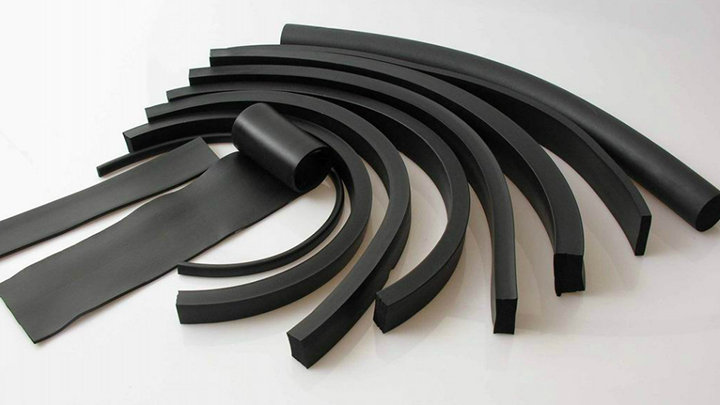
A solid D-profile silicone seal strip is an extruded silicone rubber gasket with a D-shaped cross section.
The flat base provides stable mounting support, while the rounded sealing surface creates a reliable compression seal against doors, panels, covers, and equipment surfaces.
Unlike foam or sponge silicone seals, solid silicone seals have a dense rubber structure, offering:
- Higher mechanical strength
- Better compression recovery
- Improved wear resistance
- Longer service life
- More stable sealing performance under pressure
Structure of a D-Profile Silicone Seal
A typical D-profile silicone seal consists of:
- Flat mounting base
- Rounded sealing face
- Solid silicone rubber body
- Optional adhesive backing
The D shape allows controlled compression while maintaining sealing force over time.
Benefits of Solid Silicone D-Profile Seal Strips
1. Excellent Temperature Resistance
Silicone rubber performs well in extreme temperature environments.
Typical operating range:
-60°C to +200°C (-76°F to +392°F)
Special silicone compounds can withstand higher temperatures depending on formulation.
Common applications include:
- Industrial ovens
- Heating equipment
- Machinery enclosures
- Electrical systems
2. Outstanding Weather and UV Resistance
For outdoor applications, silicone offers excellent resistance against:
- UV radiation
- Ozone exposure
- Rain and humidity
- Temperature cycling
This makes D-profile silicone seals suitable for:
- Solar equipment
- Outdoor cabinets
- Exterior machinery
- Building applications
3. Long-Term Elasticity
Compared with many conventional rubber materials, silicone maintains flexibility for a longer period.
Advantages include:
- Low compression set
- Stable sealing force
- Reduced aging
- Reliable performance after repeated compression
4. Clean and Non-Toxic Performance
Silicone rubber is commonly selected for applications requiring clean materials.
Available options include:
- Food-grade silicone
- Medical-grade silicone
- FDA-compliant silicone compounds
How to Choose the Right Solid D-Profile Silicone Seal Strip
1. Select the Correct Size
The most important factor is matching the seal dimensions with the installation gap.
D-profile silicone seals are usually specified by:
- Width × Height
- Base Width × Height
Example:
Size Description
10 × 10 mm Small equipment sealing
15 × 15 mm General industrial sealing
20 × 20 mm Heavy-duty applications
A properly sized seal should compress enough to create sealing pressure without excessive deformation.
2. Choose the Correct Silicone Hardness
Silicone seal hardness is measured by Shore A hardness.
Common options:
Silicone Hardness Application
30-40 Shore A Soft compression sealing
- -
50 Shore A General industrial applications
- -
60 Shore A Higher support and pressure sealing
Softer silicone:
Advantages:
- Better surface contact
- Lower compression force
- Suitable for uneven surfaces
Harder silicone:
Advantages:
- Higher support strength
- Better mechanical stability
- Suitable for larger sealing gaps
3. Consider Solid Silicone vs Sponge Silicone
Many buyers compare solid silicone seals with sponge silicone seals.
Feature Solid Silicone Sponge Silicone
Structure Dense rubber Cellular foam
Strength Higher Lower
Compression Controlled Higher compression
Durability Excellent Good
Heavy-duty sealing Better Limited
Choose solid silicone D seals when you need:
- Mechanical strength
- Long service life
- Stable sealing pressure
Choose sponge silicone when:
- Large compression is required
- Low closing force is important
Solid D-Profile Silicone Seal Strip Applications
Industrial Equipment
Used for:
- Machine covers
- Access panels
- Protective enclosures
- Industrial cabinets
Electrical Cabinets
Silicone D seals help provide:
- Dust protection
- Water resistance
- Environmental sealing
Solar Panel and Renewable Energy Equipment
Aplications include:
- Solar frame sealing
- Outdoor equipment protection
- Weatherproof sealing systems
Automotive and Transportation
Used for:
- Doors
- Compartments
- Equipment vibration protection
Solid Silicone D Seal vs EPDM Rubber Seal
Silicone and EPDM are both popular sealing materials.
Property Silicone EPDM
Temperature Resistance Excellent Good
UV Resistance Excellent Excellent
Weather Resistance Excellent Excellent
Flexibility at Low Temperature Excellent Good
Cost Higher Lower
Choose silicone when:
- Temperature performance is important
- Long outdoor life is required
- Clean material is preferred
Choose EPDM when:
- Cost efficiency is the priority
- General outdoor sealing is required
Custom Solid D-Profile Silicone Seal Strip Options
For OEM and industrial projects, silicone D seals can be customized by:
Material
- Standard silicone
- High temperature silicone
- Food-grade silicone
Color
Available colors include:
- Black
- White
- Red
- Blue
- Gray
- Custom colors
Size
Custom extrusion sizes are available according to:
- Width
- Height
- Length
- Cross-section design
Adhesive Backing
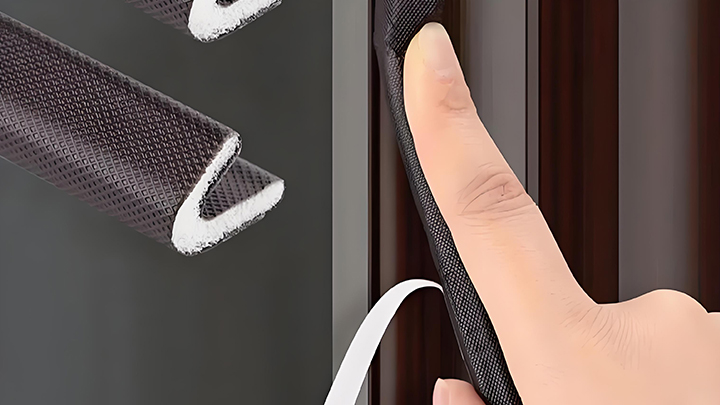
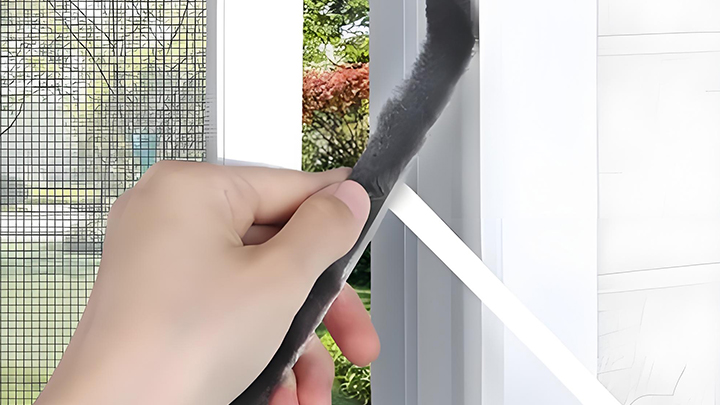
Optional self-adhesive backing can simplify installation.
How to Install a D-Profile Silicone Seal Strip
Common installation methods:
1. Adhesive Mounting
Suitable for:
- Cabinets
- Panels
- Covers
Benefits:
- Easy installation
- No drilling required
2. Compression Installation
The seal is installed between two surfaces and compressed during operation.
Recommended compression:
20%-40%
Avoid excessive compression, which may shorten service life.
Conclusion
A solid D-profile silicone seal strip is an excellent sealing solution for applications requiring temperature resistance, weather durability, flexibility, and long-term performance.
When selecting the right D silicone seal, consider:
- Profile size
- Silicone hardness
- Operating temperature
- Environmental conditions
- Installation method
With various sizes, colors, hardness options, and custom extrusion capabilities, silicone D-profile seals can meet a wide range of industrial and OEM sealing requirements.
Exlore our solid D-profile silicone seal strips for custom sizes, colors, and industrial applications.