




How to Select the Right Sealing Gasket for Solar Panels
February 3, 2026
How to Select the Right Solar Panel Sealing Gasket
Selecting the right solar panel sealing gasket is essential for ensuring the long-term performance and reliability of photovoltaic (PV) systems. A high-quality sealing gasket protects solar modules from water ingress, dust, UV exposure, vibration, and temperature fluctuations while maintaining a secure seal between the panel frame and mounting structure.
Whether you are designing rooftop solar systems, ground-mounted PV arrays, or customized solar equipment, choosing the correct sealing material and profile can significantly reduce maintenance costs and extend system service life.
This guide explains how to select the best solar panel sealing gasket based on material, sealing profile, environmental conditions, and installation requirements.
What Does a Solar Panel Sealing Gasket Do?
A solar panel sealing gasket is designed to provide reliable environmental protection while maintaining the mechanical integrity of the mounting system.
Its primary functions include:
- Preventing rainwater, snow, and moisture from entering the panel frame or mounting interface
- Blocking dust, sand, insects, and other contaminants
- Reducing vibration caused by wind and thermal expansion
- Preventing metal-to-metal contact between aluminum frames and mounting hardware
- Maintaining consistent sealing pressure over many years of outdoor exposure
A properly selected gasket helps improve the durability and efficiency of solar installations while minimizing long-term maintenance.
Best Materials for Solar Panel Sealing
Material selection is the most important factor because solar sealing components are expected to remain outdoors for more than 20 years.
| Material | UV Resistance | Temperature Range | Typical Service Life | Recommended Applications |
|---|---|---|---|---|
| EPDM Rubber | Excellent | -40°C to +120°C | 20–30 years | Standard rooftop and ground-mounted PV systems |
| Silicone Rubber | Excellent | -60°C to +200°C | 20–30 years | High-temperature environments and premium installations |
| TPV / TPE | Good | Moderate | 10–20 years | Cost-sensitive projects requiring recyclable materials |
| Polyurethane (PU) | Moderate | Moderate | Varies | Gap filling and secondary sealing only |
EPDM Rubber
EPDM is the industry standard for photovoltaic sealing applications because of its outstanding resistance to UV radiation, ozone, rain, and weathering. It also provides excellent compression set resistance, allowing the gasket to maintain sealing pressure for decades.
EPDM is recommended for most residential, commercial, and utility-scale solar installations.
Silicone Rubber
Silicone offers exceptional resistance to extreme temperatures while remaining flexible in both hot and cold climates. It is particularly suitable for desert environments, industrial rooftops, and installations exposed to prolonged high temperatures.
TPV / TPE
Thermoplastic elastomers provide a balance between flexibility and manufacturing efficiency. Outdoor-rated grades can perform well in many applications, although they generally offer shorter service life than EPDM or silicone.
Polyurethane
Polyurethane seals conform well to irregular surfaces but are generally better suited as secondary sealing materials rather than the primary weather seal because prolonged UV exposure may reduce long-term durability.
How to Choose the Right Solar Panel Sealing Gasket
Step 1 – Identify the Sealing Location
Different locations require different sealing solutions.
Typical applications include:
- Solar panel frame sealing
- Mounting rail interfaces
- Clamp contact surfaces
- Junction box sealing
- Cable entry protection
- Edge protection around aluminum frames
Understanding the installation location helps determine the appropriate material and gasket profile.
Step 2 – Select the Right Material
For most outdoor photovoltaic systems:
- EPDM offers the best balance of durability and cost.
- Silicone is recommended for high-temperature environments.
- TPV is suitable when recyclability or specific colors are required.
- PU is generally used only for filling larger gaps.
Step 3 – Measure the Required Dimensions
Accurate measurements are essential.
Consider:
- Gap width
- Gap depth
- Compression ratio (typically 25–40%)
- Total sealing length
- Mounting tolerances
Choosing the correct size helps ensure reliable sealing performance without excessive compression.
Step 4 – Choose the Appropriate Hardness
Most solar sealing applications use materials between 50 and 60 Shore A.
- Softer materials conform better to uneven surfaces.
- Harder materials provide greater structural support.
The optimal hardness depends on the mounting system and expected compression force.
Step 5 – Verify Outdoor Performance
Always ensure the sealing material provides:
- UV resistance
- Ozone resistance
- Low water absorption
- Excellent compression set resistance
- Long-term weather durability
Material data sheets and outdoor performance certifications should be available from qualified manufacturers.
Recommended Seal Profiles
Different gasket profiles are designed for different installation requirements.
D-Shaped Seals
Ideal for mounting clamps and compression sealing where a rounded profile provides reliable sealing under pressure.
P-Shaped Seals
Commonly used for larger sealing gaps requiring higher compression and improved vibration absorption.
Edge Trim Seals
Designed to protect aluminum panel frames while providing edge sealing and impact protection.
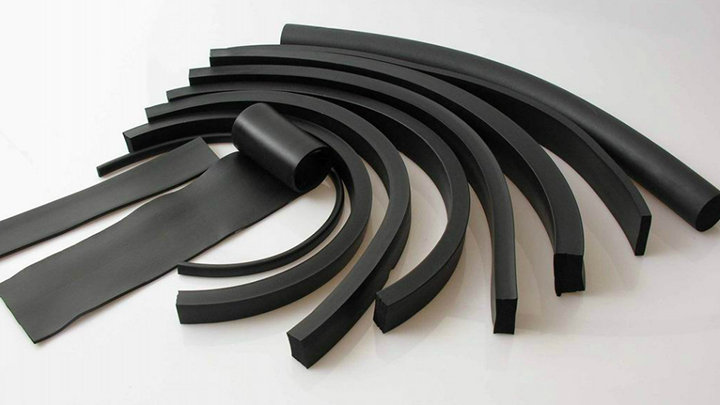
Rectangular Rubber Strips
Suitable for rail interfaces, equipment enclosures, and flat sealing surfaces.
Custom Extruded Profiles
For specialized photovoltaic equipment, battery enclosures, inverters, and unique mounting systems, custom extrusion profiles often provide the best sealing performance.
Common Installation Mistakes
Avoid these common problems when installing solar panel seals:
- Using PVC or non-weather-resistant foam materials
- Selecting products without UV stabilization
- Over-compressing the gasket during installation
- Using the wrong hardness for the application
- Ignoring drainage and thermal expansion requirements
- Purchasing general-purpose weatherstripping instead of industrial sealing materials
Proper installation helps maximize both sealing performance and service life.
Choosing the Right Supplier
When selecting a solar panel sealing gasket supplier, look for manufacturers that can provide:
- UV-resistant EPDM and silicone materials
- Stable extrusion quality
- Multiple hardness options
- Standard and custom profile designs
- Technical material specifications
- OEM and ODM manufacturing support
Working with an experienced industrial sealing manufacturer helps ensure consistent product quality and compatibility with photovoltaic systems.
Frequently Asked Questions
What is the best material for solar panel sealing gaskets?
EPDM rubber is the most widely used material because it offers excellent weather resistance, low compression set, and long-term durability for outdoor applications. Our EPDM rubber sealing strips provide long-term weather resistance and reliable compression sealing.
Recommended Solar Panel Sealing Solutions
EPDM Solar Sealing Strip
Best for:
- Rooftop solar systems
- Ground-mounted PV arrays
- Aluminum frame sealing
Features:
- Excellent UV resistance
- Low compression set
- Long outdoor service life
[View EPDM Sealing Strips]
https://www.sealshub.com/products/long-lasting-epdm-solar-sealing-strip
https://www.sealshub.com/products/epdm-solar-seal-strip-extreme-temperature
https://www.sealshub.com/products/epdm-solar-seal-strip-12-22mm
https://www.sealshub.com/products/custom-epdm-solar-seal-strip
Is silicone better than EPDM?
Silicone performs better in extremely high-temperature environments, while EPDM provides the best overall value for most photovoltaic installations.
How long do solar panel sealing gaskets last?
High-quality EPDM and silicone sealing gaskets typically provide 20–30 years of service when properly installed.
What hardness is recommended?
Most photovoltaic sealing applications use materials between 50 and 60 Shore A, although the ideal hardness depends on the gasket profile and compression requirements.
Can standard foam tape replace a solar panel gasket?
General-purpose foam tape is not recommended for long-term outdoor PV installations because it may deteriorate under continuous UV exposure and lose its sealing performance over time.
Custom Solar Panel Sealing Gaskets
Every solar installation has unique sealing requirements. Standard profiles are suitable for many projects, but custom extrusion often provides the best fit for specialized photovoltaic equipment.
We manufacture industrial sealing solutions for a wide range of solar applications, including:
- Solar panel frame seals
- EPDM sealing strips
- Silicone sealing strips
- Edge trim seals
- Mounting rail gaskets
- Clamp sealing gaskets
- Custom extruded rubber profiles
Available with multiple hardness options, custom dimensions, and UV-resistant materials, our sealing products are designed for long-term outdoor performance in residential, commercial, and utility-scale photovoltaic systems.
If you are developing a new solar project or need a custom sealing solution, our engineering team can assist with profile design, material selection, prototype production, and OEM manufacturing.