



EPDM Solar Sealing Strips: Material Analysis – Advantages & Disadvantages
I. What is EPDM?
EPDM (Ethylene Propylene Diene Monomer) is a synthetic rubber widely recognized as the premier material for outdoor sealing applications. In the solar industry, it is the material of choice for manufacturing solar panel frame seals, module gap fillers, and junction box gaskets.
II. Key Advantages of EPDM Solar Sealing Strips
✅ 1. Superior Weather Resistance
- UV Resistance: Will not crack or chalk under direct sunlight; minimal performance degradation over time
- Ozone Resistance: Excellent performance in ozone-rich environments (relevant for high-voltage solar systems)
- Extreme Temperature Tolerance: Remains flexible from -50°C to +150°C (-58°F to 302°F), suitable for all global climates
✅ 2. Exceptional Longevity
- EPDM seals have a service life of 20-25 years outdoors, perfectly matching solar module lifespan expectations
- Aging resistance far exceeds ordinary rubbers (natural rubber, SBR)
✅ 3. Excellent Physical Elasticity
- Low compression set – maintains sealing effect even after years of continuous pressure
- Absorbs vibrations during transport and installation, protecting fragile solar cells
✅ 4. Superior Water & Dust Resistance
- Dense molecular structure provides extremely low moisture vapor transmission rate
- Effectively prevents rain, humidity, and dust ingress into module frames and junction boxes
✅ 5. Environmentally Friendly
- Compliant with RoHS, REACH, and other international environmental standards
- Free from heavy metals and harmful substances – suitable for global export
✅ 6. Highly Customizable
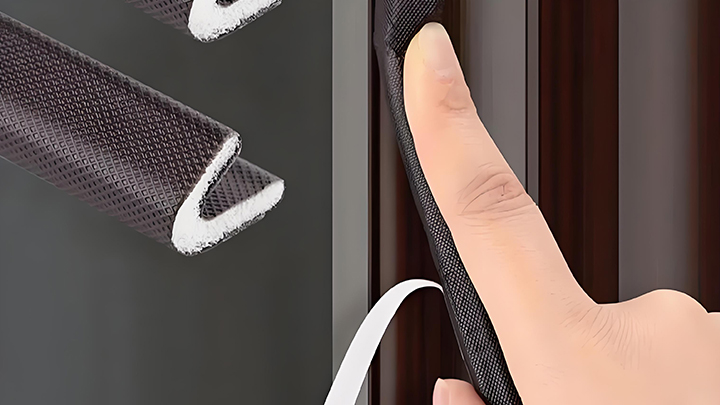
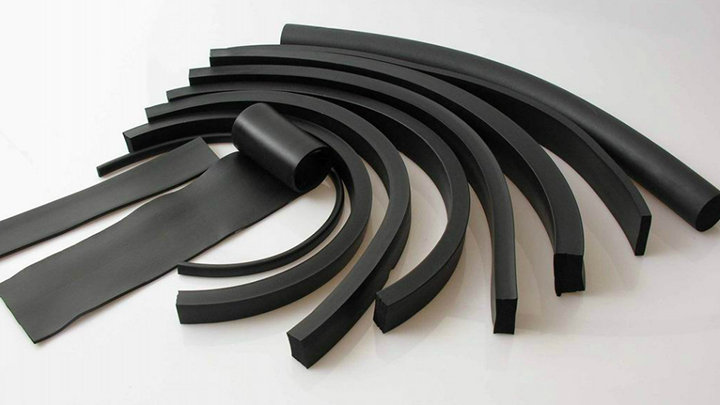
- Extrusion process allows various complex profiles (U-shape, L-shape, D-shape, P-shape, etc.)
- Adjustable hardness (typically 40-80 Shore A) for different sealing requirements
III. Potential Disadvantages of EPDM Solar Sealing Strips
⚠️ 1. Limited Oil Resistance
- EPDM has poor resistance to mineral oils, gasoline, and solvents
- If the solar installation environment involves oil exposure (certain industrial areas), consider protective measures or alternative materials (such as NBR)
- Note: Solar systems typically operate in oil-free environments, so this is rarely a practical concern
⚠️ 2. Limited Acid/Alkali Resistance
- Moderate resistance to strong acids and alkalis (especially oxidizing acids like concentrated nitric acid)
- Note: Normal atmospheric conditions and rainwater do not affect EPDM
⚠️ 3. Higher Cost than Commodity Rubbers
- Slightly more expensive than PVC, SBR, and other low-cost materials
- However, considering 20+ year service life, the lifecycle cost is actually lower
⚠️ 4. Adhesion Challenges
- EPDM is a non-polar material, making direct bonding difficult without specialized adhesives or primers
- For self-adhesive products, ensure professional-grade acrylic adhesive designed for solar applications
IV. Material Comparison: EPDM vs. Alternatives
| Property | EPDM | Silicone | PVC |
|---|---|---|---|
| UV Resistance | ⭐⭐⭐⭐⭐ | ⭐⭐⭐⭐⭐ | ⭐⭐ (hardens with age) |
| Temperature Range | -50°C to 150°C | -60°C to 250°C | -10°C to 60°C |
| Elasticity/Recovery | ⭐⭐⭐⭐⭐ | ⭐⭐⭐ | ⭐⭐ |
| Outdoor Lifespan | 20-25 years | 15-20 years | 3-5 years |
| Cost | Medium | High | Low |
| Best Application | Solar sealing (best overall) | Extreme high heat | Indoor/short-term use |
V. Why EPDM is the Industry Standard for Solar
Photovoltaic modules must operate outdoors for 25+ years, facing:
- Intense UV radiation
- Day/night temperature cycling
- Rain, snow, and ice
- Wind-blown sand and debris
EPDM offers the most balanced performance – combining the weather resistance of silicone with the elastic recovery of rubber, at a reasonable cost point.
VI. Foamed vs. Solid EPDM – Quick Reference
| Feature | Foamed/Cellular EPDM | Solid/Dense EPDM |
|---|---|---|
| Structure | Closed-cell micro-pores | Fully dense |
| Hardness | Soft (15-40 Shore A) | Firm (50-80 Shore A) |
| Best for | Gap filling, low-pressure sealing | Structural sealing, edge protection |
| Solar Use | Glass-to-frame cushion, module gaps | Frame seals, press-fit applications |
Premium solution: Co-extruded profiles combining solid base + foamed sealing layer
VII. Procurement Recommendations
For government tenders, large-scale solar projects, and export markets:
✅ EPDM is the RECOMMENDED material
- Meets 20+ year lifespan requirements for international projects
- Compliant with RoHS, REACH, and other certifications
- Provides technical specifications and warranty support
⚠️ Materials to AVOID:
- Recycled rubber compounds (unstable performance, short lifespan)
- Standard PVC (becomes brittle within 3-5 years outdoors)
- Non-UV stabilized rubber (cracks under sunlight)
VIII. Technical Specifications (for RFQs/Tenders)
When responding to government procurement inquiries, include:
text
Material: Virgin EPDM (Ethylene Propylene Diene Monomer)
Density: 1.2-1.4 g/cm³ (solid) / 0.6-0.9 g/cm³ (foamed)
Hardness: 40-80 Shore A (customizable)
Temperature Range: -50°C to +150°C
UV Resistance: Excellent (tested per ASTM D4329)
Ozone Resistance: No cracking (tested per ASTM D1149)
Compression Set: <25% (22h/70°C)
Certifications: RoHS, REACH compliant
Lifespan: 20+ years outdoor service
Summary: EPDM represents the gold standard for solar sealing applications. Its advantages far outweigh its limitations, making it the ideal choice for government procurement and international projects requiring long-term reliability and compliance with global standards.