




What's the Materials, Characteristics & Market Preference of Solar Panel Seal Strips?
Solar panel seal strips are critical for long-term system performance and durability. The material choice directly impacts their ability to withstand decades of harsh environmental exposure.
1. Common Materials & Their Characteristics
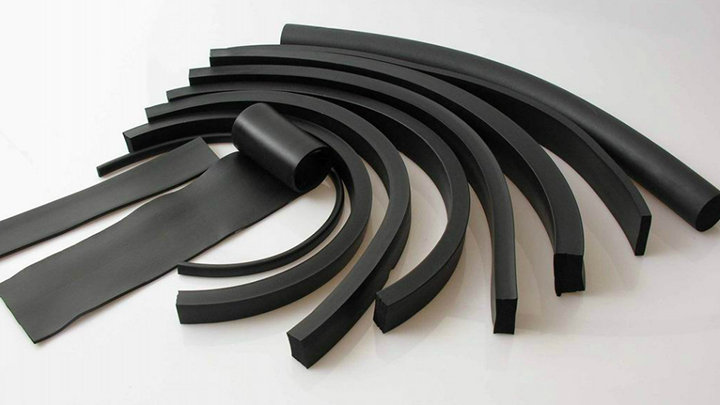
A. EPDM Rubber (Ethylene Propylene Diene Monomer)
- Characteristics:Weathering Champion: Offers exceptional resistance to UV radiation, ozone, and extreme temperatures (typically -50°C to +150°C). This is its single greatest advantage.Excellent Elasticity & Compression Set Resistance: Maintains its shape and sealing force over years of compression under panels, preventing gaps from forming.Waterproof & Chemically Stable: Very low water absorption and good resistance to mild acids, alkalis, and polar solvents.Durability: Widely regarded as the most durable elastomer for outdoor weathering, matching the 25-30 year lifespan of PV modules.
B. Silicone Rubber
- Characteristics:Extreme Temperature Master: Performs excellently across an even wider temperature range than EPDM (from -60°C to over 200°C). Ideal for environments with intense heat.Superior Flexibility at Low Temperatures: Remains supple in freezing climates.Excellent UV & Ozone Resistance: Comparable to EPDM in weathering performance.Potential Drawback: Generally has a higher coefficient of thermal expansion than EPDM and can be more expensive. It may also have lower tear strength in some formulations.
C. Closed-Cell Polyethylene (PE) Foam
- Characteristics:Lightweight & Cost-Effective: A popular economic choice, especially for large-scale projects.Good Compressibility & Seal: The closed-cell structure provides good initial sealing against moisture and dust.Limitations:Lower UV & Temperature Resistance: Can degrade, harden, and lose elasticity faster than EPDM or Silicone under prolonged, direct UV exposure and high heat (common under panels).Higher Compression Set: Tends to permanently deform over time under constant compression, potentially leading to reduced sealing pressure.
D. Thermoplastic Elastomers (TPE) & Polyolefin Elastomers (POE)
- Characteristics:Balanced Performance: Aim to offer a balance between rubber-like properties and easier processing of plastics.Good Weathering & Flexibility: Modern formulations can have good UV and temperature resistance.Recyclability: An advantage for environmentally conscious projects.
2. Market Preference & "Winning" Material
The most popular and highly recommended material for professional, long-life solar installations is UV-Stabilized, Closed-Cell EPDM Rubber.
Why EPDM is the Market Leader:
- Proven Track Record & Longevity: Its performance over decades in automotive and construction sealing gives installers and engineers confidence it will last the lifetime of the solar array (25+ years).
- Optimal Cost vs. Performance Ratio: While not the cheapest, it offers the best balance of supreme weathering resistance, durability, and price. It prevents costly future maintenance or energy losses from seal failure.
- Ideal Property Profile: Its excellent UV resistance, low compression set, and wide operating temperature range are precisely tailored to the solar panel environment (hot, cold, cyclic heating, constant sun exposure).
- Industry Standard: Specified by many mounting system manufacturers and considered a best practice in quality-conscious markets (North America, Europe, Australia).
Market Breakdown by Material:
- EPDM: The premium and professional choice for residential, commercial, and utility-scale projects where quality and lifetime value are priorities.
- Silicone: Preferred in niche, extreme-environment applications (e.g., desert installations with extreme heat, specialized BIPV) or where its very high temperature resistance is required.
- PE Foam: Used in cost-sensitive, large-volume utility projects, sometimes with a protective foil facing to mitigate UV exposure. Performance and longevity are trade-offs.
- TPE/POE: A growing segment, gaining popularity as formulations improve, often positioned as a modern alternative with good environmental credentials.
3. Key Selection Criteria Summary
| Material | UV/Ozone Resistance | Temp Range | Compression Set | Durability (25 yr) | Cost | Best For |
|---|---|---|---|---|---|---|
| EPDM Rubber | Excellent | Excellent | Very Low | Excellent | Medium-High | Professional & Long-Life Installations |
| Silicone Rubber | Excellent | Superior | Low | Excellent | High | Extreme Heat/Cold Environments |
| PE Foam | Fair to Poor | Good | High (Can Creep) | Fair (5-15 yr) | Low | Cost-Sensitive, Large-Scale Projects |
| TPE/POE | Good | Good | Medium | Good (Expected) | Medium | Balanced Performance & Eco-Goals |
Product Introduction Sample (Focus on EPDM)
Product Name: Premium UV-Resistant EPDM Solar Panel Seal Strip
Overview:
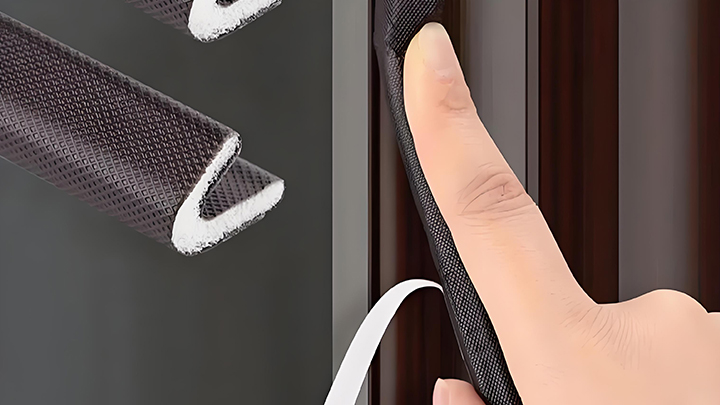
Our premium seal strip is engineered exclusively for the solar industry. Manufactured from closed-cell, UV-stabilized EPDM rubber, it is the definitive solution for creating a long-lasting, protective seal between photovoltaic modules and mounting rails. It is designed to endure a lifetime of sun, rain, heat, and cold, safeguarding your investment by preventing moisture ingress, debris accumulation, and potential under-panel corrosion.
Key Features & Benefits:
- 25+ Year Weathering Guarantee: Formulated with advanced carbon black and stabilizers to resist degradation from intense UV exposure and ozone.
- Maintains Perfect Compression: Exceptionally low compression set ensures the seal remains tight and effective season after season, unlike foam alternatives that can flatten.
- Withstands Extreme Climates: Performs flawlessly in temperature ranges from -40°C to 120°C, suitable for all global environments.
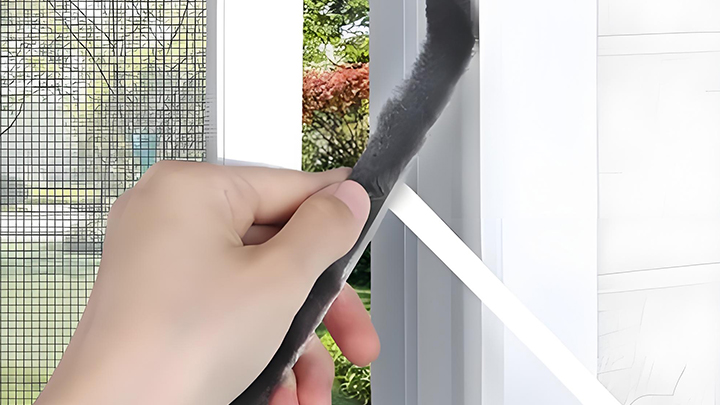
- Easy Installation: Supplied in continuous rolls for fast, seamless lay-in application along rails before panel placement, reducing labor time.
- Protects System Performance: By sealing the gap, it helps maintain a cleaner, drier environment under panels, contributing to sustained energy output.
Conclusion:
For installers and project developers who prioritize system longevity, reliability, and minimizing lifetime costs, specifying an EPDM-based solar seal strip is a clear and critical choice. It is the industry-proven material that turns a basic installation into a durable, high-performance asset.